
Welcome to the enchanting realm of Olympic National Park, featuring moss-covered rainforests, serene lakes, expansive shorelines, and tree-lined mountains. This iconic park, situated on the Olympic Peninsula, has earned a well-deserved reputation as one of the premier national parks, consistently ranking among the top national parks in the US year after year. The park spans over 920,000 acres and features a rugged coastline, temperate rainforests, alpine peaks, and over 3,000 miles of rivers and streams. It’s an outdoor lover’s dream destination, offering a variety of hiking trails and activities to enjoy. However, there are also less adventurous options throughout the park, making it an ideal destination for families. This Olympic National Park guide will walk you through all the details you need to know to plan a fantastic getaway to this slice of paradise in the Pacific Northwest.
This post contains affiliate links, and I may earn a small commission when you click on the links at no cost to you.
When To Go
Olympic National Park is renowned for its lush greenery, which covers nearly every inch of the park in one form or another. The primary reason for these stunning, moss-covered environments is the significant amount of rainfall they receive. Which means picking the right season to visit this particular national park is essential, unless you want to explore the park in a rain jacket the entire time. Additionally, the park contains several microclimates, and the weather in these regions varies, adding another level of complexity to the planning process. I’ve broken down each season’s typical weather conditions in this Olympic National Park guide to help with your planning purposes.
Spring
The spring months, from March to May, are known for their unpredictable weather in the national park. The temperatures begin to increase slowly, but the occasional snowstorm, rain shower, or cold front continues to plague the park until June (i.e., pack a rain jacket and rain pants). If you’re trying to avoid the rain, the latter half of the season starts to see more sunny days compared to the beginning. Additionally, certain hiking trails and roads in the park may not be open depending on the weather. For the best chance of staying dry, head to the east side of the park and the north side around Port Angeles. One incentive of booking a trip to Olympic National Park in the spring is that you have a great chance of seeing gray whales during their migration in April and May.
Summer
It shouldn’t come as a surprise that the summer months between June and August are the best months to visit Olympic National Park. If you’re looking to take advantage of the stunning hiking trails, alpine lakes, wildflowers, and lovely beaches, summer is the season for you. The temperatures can range from mild to warm, and the rainfall is at its lowest throughout the year. However, that doesn’t mean you should expect clear skies, since rainfall is still a common occurrence in some microclimates. This means a rain jacket is a must, regardless of when you visit. Like with any busy season, be prepared for crowds and higher prices.
Fall
Fall is another beautiful season to visit Olympic National Park, especially when the foliage begins to transform the park into a rich tapestry of autumn colors. The early part of the season is particularly mild, with less rainfall until mid-October. The month of September would be a sweet spot since it’s the driest month of the season. As the season progresses into late October, temperatures drop and rainfall increases, limiting your options for outdoor activities. If the fall months are calling to you, be sure to check the road, campground, and trail conditions each day before you go out exploring. Flexibility in your plans is key, as weather conditions can change rapidly in the park.
Winter
If you’re looking for a winter wonderland kind of vibe, winter in Olympic National Park could be right up your alley. It’s undoubtedly a beautiful place to visit if you want to ski or snowshoe. However, be warned that the winter months, from December to March, experience the highest amounts of precipitation throughout the year. There’s also the risk of flooding, severe storms, and avalanches in some areas of the park. It’s always a good idea to check the NPS website to ensure conditions are safe if you visit during the winter.

How To Get Around
Due to the size of Olympic National Park, the most convenient way to get around is by car. The park is vast, and the public transit options are limited to the Port Angeles and Forks regions. If you’re flying in from out of town, it’s absolutely worth renting a car so you can explore the park at your own pace. Additionally, there are a few ferries that will get you into specific nearby ports if you want to take advantage of this unique transit option.
Know Before You Go
I’ve compiled some helpful information in this Olympic National Park guide to ensure a smooth planning experience for your visit.
- The entrance fee for Olympic National Park is $30 per vehicle, and each ticket is valid for seven days. The park doesn’t accept cash payments, so be sure to have your credit card handy.
- While you don’t need a reservation to visit Olympic National Park, it’s still recommended to arrive at the park early in the day. This is especially true if you visit in the summer months. The main sights, such as Hurricane Ridge and the Hoh Rain Forest, can fill up quickly, so the earlier the better. If the parking lots fill up, you will have to endure lengthy wait times.
- If you plan to visit Cape Flattery or Shi Shi Beach, you’ll need to purchase a Makah Recreation pass in order to visit the beautiful Makah Reservation. You can buy a pass for $20 at various locations in the Reservation, and it’s valid for a full year.
- The Olympic NPS website is your go-to source for all the latest updates and alerts. Make it a habit to check in throughout the day to ensure you don’t miss anything that could impact your experience. This will keep you informed about any potential safety hazards or changes in park conditions, ensuring a smooth and worry-free visit.
- I recommend spending 2-3 full days in the park to see the main sights and go on a few of the longer hikes. Three days would give you more flexibility to see some of the sights that take a little longer to reach, like Cape Flattery and Lake Quinault.
- Olympic National Park is home to many various wildlife species that you can observe from afar, including Roosevelt elk, deer, and marmots. Roosevelt elk are popular animals that tourists enjoy observing in areas such as the lower valleys and rainforests of Olympic National Park, particularly at dusk or dawn. However, it’s crucial to maintain a distance of at least 150 feet, as they can become aggressive and are noted as one of the more dangerous animals in the park.
- In addition to Roosevelt elk, Olympic National Park is also home to cougars and black bears. While these animals aren’t commonly encountered in the park, it’s best to read up on what to do in the event you come face to face with either animal. We were among the few people to witness a cougar in Olympic National Park, and it was an intense experience! Luckily, we were prepared for the encounter, and we were completely safe.

Where To Stay
One of the key things to decide on after you choose to book a trip to Olympic National Park is where you’re going to stay. There are a handful of lodges available within the park if you’re lucky enough to score a reservation ahead of time. I’ve compiled some additional details and recommendations below in this Olympic National Park guide.
If you don’t secure a reservation at one of the lodges, there are several towns around the park that will allow you to stay close by and also enjoy amenities like restaurants and coffee shops. The top two towns that people opt to stay in are Port Angeles and Forks due to their size and location to the park. During our trip, we stayed in both Port Angeles and Forks so we could break up our longer drive days. My personal preference is Port Angeles, as I found the accommodations and dining options to be overall more favorable than those in Forks. However, we stayed in a fantastic rental in Forks, and having shorter drive days is always a bonus. The town of Forks is still gripped by the Twilight fan fair, which is definitely a plus for fans of the books and movies.

Port Angeles Accommodations
Olympic Lodge by Ayres: This lodge seamlessly blends rustic charm with boutique luxury, offering thoughtful amenities such as a heated outdoor pool, continental breakfast, pet-friendly accommodations, and views of the Olympic Mountains.
Emerald Valley Inn: Emerald Valley Inn offers cozy, unplugged accommodations (no TVs or phones), a mini‑farm featuring goats and emus, and the beloved Granny’s Cafe serving home‑style burgers, salads, and famously creamy soft‑serve ice cream, making it the perfect peaceful gateway to explore Olympic National Park.
Lake Crescent Lodge: Lake Crescent Lodge is a historic 1915 resort offering cozy cabins and lodge rooms, a lakeside dining hall, boat rentals, and forest-framed views.
Treehouse on the Water: Nestled 20 feet above the shoreline in a Douglas fir, this exceptional two‑bedroom treehouse combines sweeping views of the Strait of Juan de Fuca with thoughtful luxury.
If you need a comprehensive packing list for all your travel needs, I’ve got you covered! I created the ultimate packing list for your upcoming adventures, including carry-on essentials, toiletries, clothing, and location-specific items.
Forks Accommodations
Woodland Inns: Woodland Inns offers individually themed cabins with full kitchens, private patios, gas fireplace lounges, free Wi‑Fi, and parking. The bedrooms and bathrooms are spacious, and the bedrooms offer guests a very comfortable bed to rest their head on after a long day of exploring. This is where we stayed when we visited, and we took advantage of the full kitchen since the dining options in Forks left much to be desired.
Hoh Valley Cabins: Moments from the Hoh Rainforest in Olympic National Park are Hoh Valley Cabins. This unique accommodation features four cozy, contemporary cabins equipped with kitchenettes, propane fireplaces, cedar decks, and stunning forest views.
Kalaloch Lodge: Perched atop the bluff where Kalaloch Creek meets the Pacific shoreline, Kalaloch Lodge is the only oceanside lodging within Olympic National Park, offering rustic-chic cabins and lodge rooms with sweeping sea views, cozy fireplaces, and a locally inspired restaurant.
Pacific Inn Motel: This centrally located motel features clean, air‑conditioned rooms with flat-screen TVs, free Wi‑Fi, microwaves and refrigerators, plus guest‑favorite perks like an outdoor fire‑pit picnic area.
Camping
If camping is more your style, Olympic National Park has several lovely campgrounds that you can take advantage of throughout the park. Some sites are available on a first-come, first-served basis, while others require booking in advance on the Recreation.gov website. Some are open year-round, others are only open during the warmer months of the year. It’s important to review the Olympic NPS website for more information and updates on the conditions at each site.

Main Sights & Things To Do
Now that you’ve decided on when to visit and where to stay, it’s time to figure out the sights you want to see. Like any national park, one of the biggest draws to Olympic National Park is the variety of hiking trails. I’ve included the top sights and the hiking trail details below in this Olympic National Park guide.
Hoh Rain Forest
Easily one of the most popular spots throughout Olympic National Park is the Hoh Rain Forest. It’s named after the Hoh River that runs through this area from Mount Olympus towards the coast. Due to the rainy conditions of the park, the forest is covered in lush green mosses and ferns that make you feel like you’ve stepped foot into a magical otherworldly destination. The best way to take in the sights is by hiking, of course! There are two trails in the rainforest, both of which are quick, easy trails for hikers of all skill levels:
- Hall of Mosses Trail: 1 mile, loop trail
- Spruce Nature Trail: 1.3 miles, loop trail
Olympic National Park Guide Tip: Due to the popularity of the Hoh Rain Forest and the limited parking and staffing resources, I highly recommend arriving here early in the day. We were one of the first people to arrive, and we had the trails to ourselves. Let me tell you, it was an incredibly peaceful and moving morning spent wandering through the trees and taking in the gorgeous scenery.
Sol Duc Falls
Located in the northwest region of the park is the enchanting Sol Duc Valley. This region is known for its old-growth forest, rushing rivers, and the well-known Sol Duc Falls. The falls are pretty iconic in Olympic National Park, so it’s another popular destination for those visiting. The hiking trail to access the falls is a relatively easy 1.8-mile out-and-back route with minimal elevation gain. Be sure to take a photo from the wooden bridge that overlooks the falls before continuing your adventure in the park.

Cape Flattery
Situated at the northwesternmost point of the contiguous United States is the breathtaking Cape Flattery. The rugged cliffs, dramatic coastline, and mesmerizing views will make you feel like you’re at the edge of the world. If you love nature and adventure, this is a must-visit destination when exploring the Pacific Northwest. The hike to the cape is 1.2 miles out and back, and it’s a relatively easy trek through a lush wooded trail. Once you arrive at the coast, you’ll be greeted by awe-inspiring coastal views that make it hard to leave.
Olympic National Park Guide Tip: Don’t forget to purchase your Makah Recreation Permit, as it’s required for hiking on the Makah Reservation. It’s $20, and we purchased ours at the mini-mart on our way to the Cape Flattery trailhead.
Rialto Beach & Hole-In-The-Wall
One of my favorite memories from our trip to Olympic National Park was hiking along Rialto Beach to Hole-In-The-Wall at sunset. This iconic beach hike leads to a very famous (and highly photographed) rock archway at the end of the beach. The trail is about 3.3 miles out and back, and the primary consideration you should prepare for is the changing tides. Once you arrive at the end of the beach, you can take in the beautiful views of wildlife, sea stacks, and tidepools. It’s an ideal spot in the park for a picnic, a romantic sunset stroll, or photographing the beauty of this region.

Hurricane Ridge
Hurricane Ridge is a can’t-miss stop when visiting Olympic National Park. You can easily drive on Hurricane Ridge Road and take in some lovely sights along the way. You could also strap on your hiking boots and hike Hurricane Hill to witness even more breathtaking vistas. On a clear day, the trail leads you to panoramic views of the mountains. This would be an excellent place to witness the sunset over the mountains.
Olympic National Park Guide Tip: If you arrive at a trailhead and there’s a sign that says the trail is a cougar frequenting area, proceed with caution. Avoid solo hiking and keep small children close by. If you observe or encounter a cougar in the park, submit a Cougar Report Form on the Olympic NPS website.
Marymere Falls
The Marymere Falls Trail is an easy hike that showcases the stunning beauty of the Pacific Northwest. Beginning at the tranquil shores of Lake Crescent, the path meanders through towering evergreens and offers lovely views of rushing rivers and a 90-foot waterfall. This short 1.8-mile out-and-back trail is one of the most beloved in Olympic National Park, inviting hikers to immerse themselves in a serene and enchanting landscape.

Mount Storm King
If you’re looking to take on a more challenging hiking trail with epic views, Mount Storm King might be calling your name. This strenuous 4.1-mile out-and-back trail with over 2,000 ft of elevation gain begins at Lake Crescent and ends with you looking down over the lake. The trek is quite formidable, as it features a steep ascent for the first 2 miles, and beyond that point, Olympic National Park does not maintain the trail. The last stretch of the trail requires you to utilize a series of ropes to get to the summit. It’s certainly not for the faint of heart! However, this would be another gorgeous hike to do at sunset.
Ruby Beach
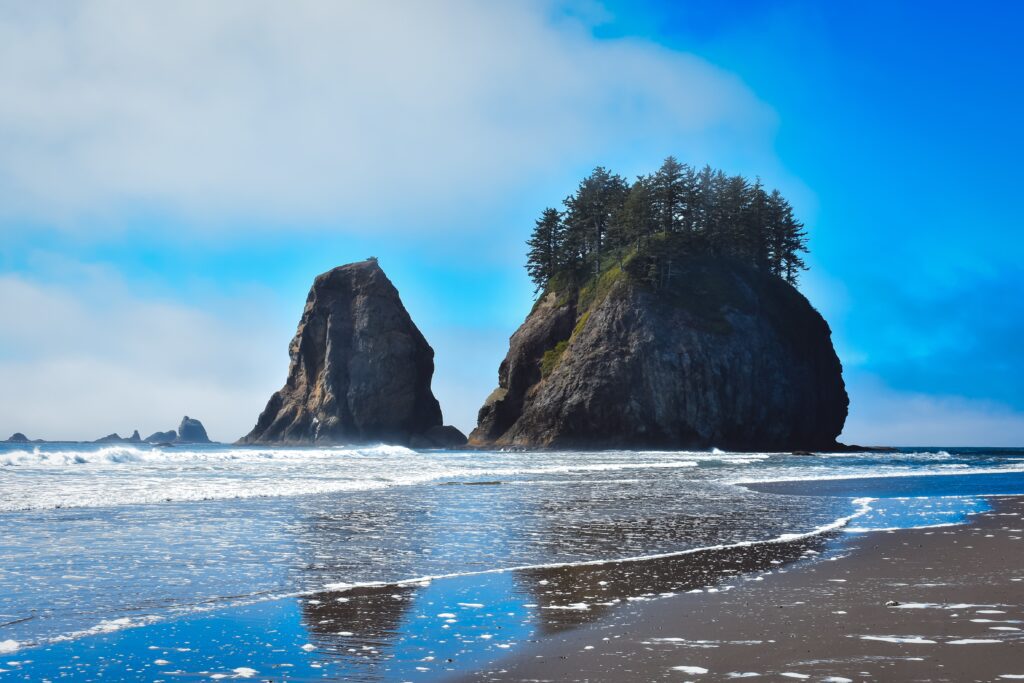
Ruby Beach is known for its dramatic sea stacks, driftwood-strewn shores, and tide pools overflowing with marine life. It’s a perfect spot in Olympic National Park to slow down and savor the beauty of the Pacific Northwest. Wandering up and down the beach or even grabbing a blanket and packing a picnic would be my top two recommendations for enjoying this slice of paradise on the coast.
Lake Crescent
Lake Crescent is a pristine lake situated in the northern foothills of the Olympic Mountains, serving as the starting point for various adventures in the park. Several hiking trails start here, along with assorted activities available at the lake. This includes kayaking, paddling, or just relaxing by the water. It’s a lovely photography spot on a clear day, with the beautiful, treelined mountains serving as the backdrop against the reflections in the lake.
Madison Falls
If you’re looking for a short and sweet hike to a lesser-known waterfall, Madison Falls offers a peaceful setting and beautiful scenery without the crowds. The trail is 0.2 miles out and back, and it leads directly to the falls without breaking a sweat. It’s easy, accessible, and the perfect spot for a peaceful moment before taking on some of the more challenging hikes in Olympic National Park.
Shi Shi Beach
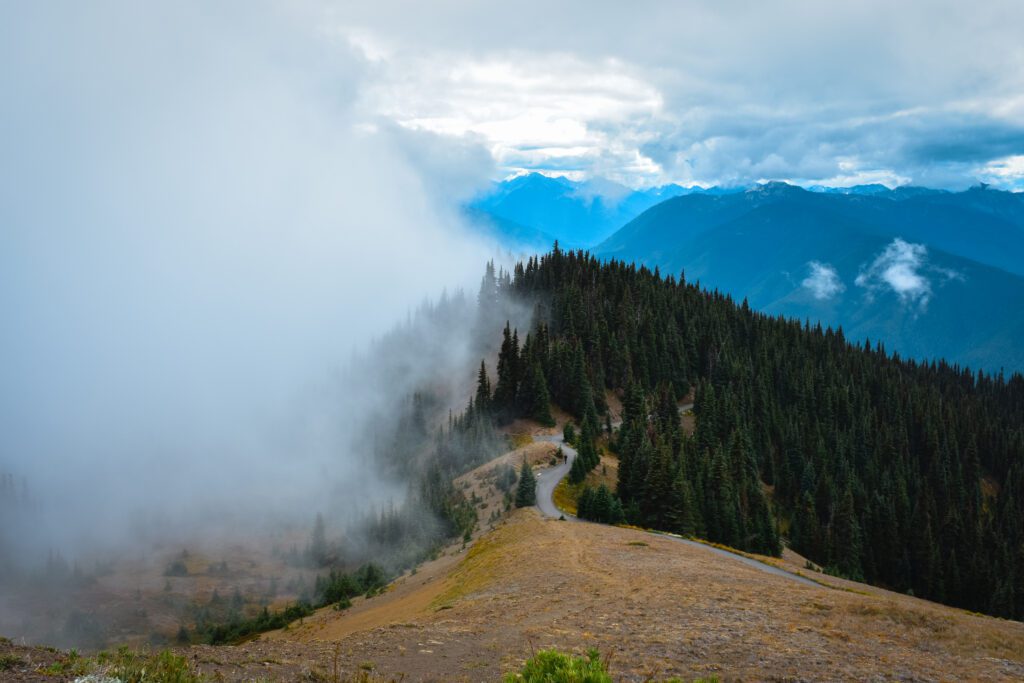
Shi Shi Beach (rhymes with “shy‑shy”) is a gorgeous oasis on the Makah Reservation and Olympic National Park’s wild north coast. It’s a very popular destination for campers, primarily due to the length of the trail to get to the beach. The trail is an 8.8-mile out-and-back trek that leads you through a rainforest before arriving at the sweeping shoreline. The views are spectacular and well worth the effort, provided you can dedicate the time during your stay. As a reminder, you will also need a Makah Recreation Permit to access Shi Shi Beach!
Lake Quinault
Nestled deep within the lush Quinault Rainforest lies the tranquil Lake Quinault. It’s an ideal place to visit in Olympic National Park if you’re looking to avoid the crowds. The Quinault Rainforest is situated in the southwestern part of the park, approximately a three-hour drive from Port Angeles and one hour from Forks. There are some great hiking trails nearby, in addition to the Lake Quinault Lodge, if you’re looking for a historic pit stop. It’s a destination that invites you to unplug and fall in love with the untamed magic of the Olympic Peninsula.
Final Thoughts
The magic of Olympic National Park lies in its diverse range of experiences, catering to all types of travelers. Whether it’s hiking through lush forests, exploring the coastline, or marveling at the towering mountains, your adventures await in this remarkable park. With its stunning vistas, unique ecosystems, and varied weather, every visit can be different, making it a special destination year-round. My hope is that this Olympic National Park guide has equipped you with the necessary guidance to plan your dream getaway to this slice of heaven in the Pacific Northwest.
Ready to explore the incredible beauty of the U.S. National Parks? Discover my collection of in-depth travel guides packed with insider tips, must-see hikes, and hidden gems to help you plan your next unforgettable adventure.



Leave a Reply