
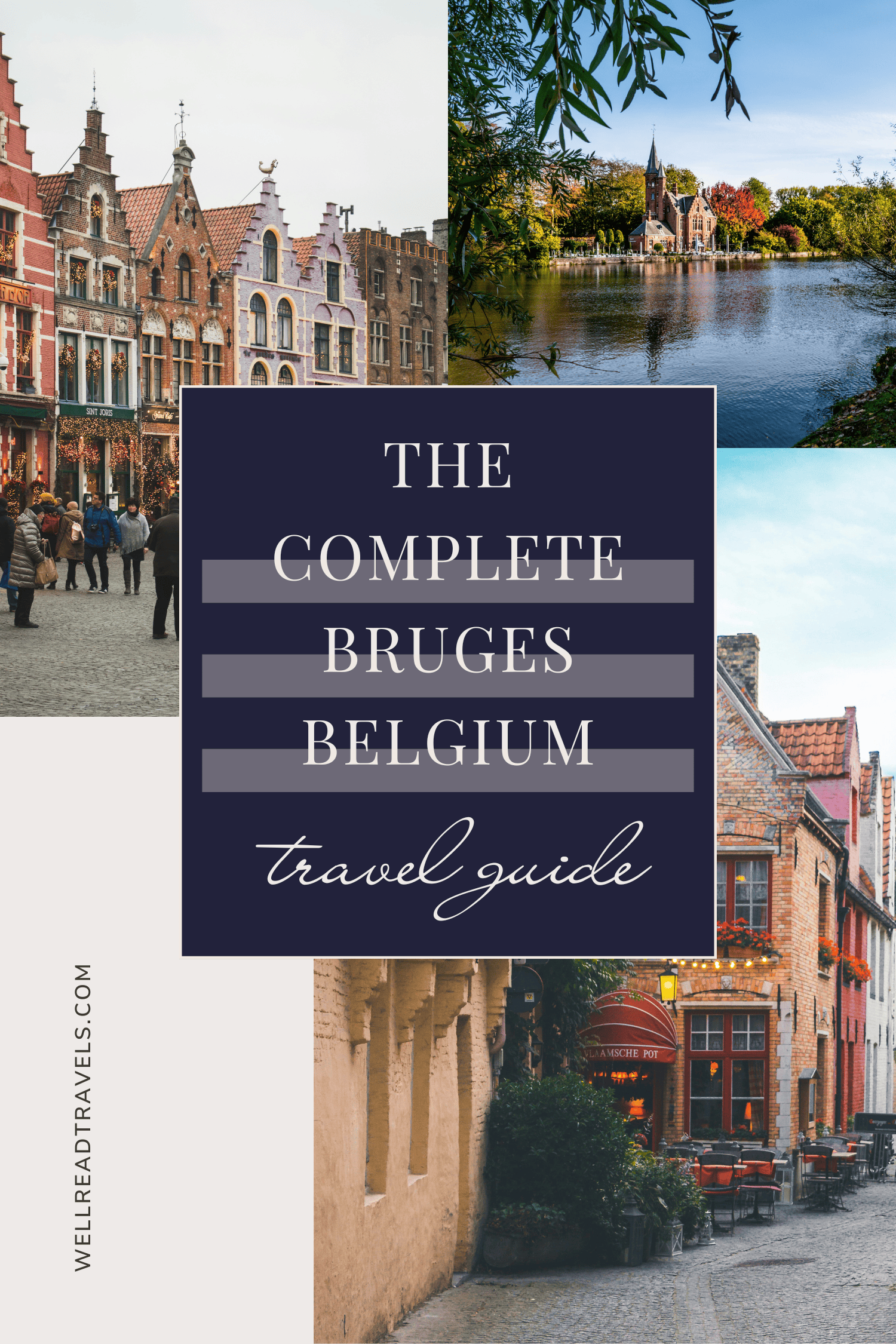
It’s easy to see why Bruges has a reputation as one of the most charming cities in Europe. With its quaint cobblestone streets, peaceful canals, enchanting buildings, lovely parks, and delightful dining and brewery scene, this town will have you swooning over it in no time. Bruges has earned nicknames like the “Venice of the North” for good reason. It’s one of Europe’s most romantic and beautifully preserved medieval cities, and it is very popular among travelers. Due to its size, it’s often seen as a perfect day trip location or one-night stopover. Other travelers embrace slowing down and savoring their time in this peaceful destination. No matter how long you choose to stay in this captivating city, this Bruges travel guide will help you plan a perfect visit that you’ll dream about even after you return home.
This post contains affiliate links, and I may earn a small commission when you click on the links at no cost to you.
Know Before You Go
- When deciding on the amount of time to spend in Bruges, most travelers opt for either a day trip from another nearby city or a one-night stopover. If you’re someone who likes to move quickly when traveling, this might be the best choice, as the city is relatively small. However, you can certainly spend up to three days if you want to take your time and relax while exploring Bruges.
- Like most European countries, Belgium is on the Euro. Visa and Mastercard credit cards are widely accepted throughout the country, including Bruges; other cards, not so much. It’s also recommended to have some cash on hand for small local shops. Luckily, ATMs are widely available throughout Bruges’ city center.
- Belgium has three official languages: Dutch, French, and German. You’ll overhear the locals speaking Dutch, as Bruges is located in the Flemish region of Belgium. However, English is widely spoken, especially in restaurants, hotels, and tourist spots.
- The power plugs in Belgium are type C and F. The standard voltage is 230 V, and the standard frequency is 50 Hz. You’ll need a universal adapter with surge protection and a converter for hairdryers and other electronic devices.
- Bruges is a year-round destination, but the experience shifts depending on when you visit. Spring and fall offer smaller crowds and changing weather, summer is vibrant and busy, and winter is charming and calm.
- The peak tourism season is from late spring to summer (May-September) and December for the Christmas markets. I’ve included a seasonal breakdown in the ‘When to Go’ section below in this Bruges travel guide.
- When visiting Bruges, be sure not to skip the Belgian fries, waffles, and chocolates. It’s an essential part of their culture and should not be missed!
- Bruges is a UNESCO World Heritage Site and is renowned for its exquisite handmade bobbin lace. You can still witness lace being made on the streets of the city by traditional craftswomen sitting near shop windows or doorways. Handmade lace would make a fantastic souvenir to bring home.

When To Go
Are you excited to explore the cobblestone streets, indulge in delicious chocolate, and admire the serene canals? If so, it’s time to determine when you’d like to visit this medieval city. Below, I’ve included a seasonal overview in this Bruges travel guide to help you in making your decision.
Spring
Spring in Bruges is known for its generally mild temperatures (40s-60s °F / 5-15°C). At the beginning of the season, expect chilly temperatures in March, which will gradually warm up by May. Flowers start blooming, outdoor terraces reopen, and the city feels fresh after winter. It’s a great time for sightseeing without the summer crowds, and enjoying canal walks and photography opportunities among the vibrant blossoms. Packing layers and a raincoat is a must!
Summer
The wonderful thing about summer in Bruges is that the weather is warm but rarely hot (60s-70s °F / 18-25°C), with the occasional rain shower thrown in the mix. Summer is the peak tourist season, with cafés that spill out into the squares, boat tours that are buzzing, and festivals that bring extra energy. Outdoor dining is a fan favorite activity, along with canal cruises and day trips to the coast.
Fall
My favorite time to visit Bruges is in the fall. The temperatures begin to cool down gradually (50s-60s °F / 10-16°C), accompanied by crisp air and colorful foliage, in October and November. Similar to spring, fall is quieter than summer, offering a cozy atmosphere with vibrant fall colors along the canals. It’s the perfect season to enjoy fewer crowds and sipping on a cold Belgian beer in a warm pub.
Winter
Winters in Bruges are surprisingly tolerable compared to other parts of the world during this season. It’s cold, but not extreme (30s-40s °F / 0-7°C). Damp and gray days are common, with rare snow that makes Bruges magical if you get a chance to witness it. Winter is a very atmospheric time to visit, thanks to the Christmas markets, lights, and the medieval streets that feel like a fairytale. December is one of the peak times to visit for the Christmas markets and seasonal activities. January and February are quieter after the holidays, making it an ideal time to enjoy the cozy cafés with fewer tourists.

How To Get Around
While Bruges is considered a city, it’s a relatively small city compared to others in Europe. The best way to get around and take in the sights is on foot. You can easily see the entire city by strolling along the charming streets in one day. Cycling is another popular way to get around the city like a local. If that sounds like an exciting way to explore, you’re in luck since bike rentals are available throughout the city. Due to the popularity of biking, it’s important to watch for bikes as you would for cars in other cities.
One transportation method to avoid in Bruges is a car. Cars are not recommended in the old town due to its narrow streets and high parking costs. Save yourself the hassle and opt for walking instead. The local train station is a 15-to 20-minute walk or a short bus ride from Markt Square for those arriving or leaving by train.
Where To Stay
Due to Bruges’ growing popularity over the years, there are plenty of lovely hotels, B&Bs, guesthouses, and hostel accommodations available. I’ve gathered my top choices in this Bruges travel guide.
Hotels
- Hotel Dukes’ Palace – 5-star hotel, $$$$
- Relais Bourgondisch Cruyce – Boutique 4-star hotel, $$$
- Hotel De Orangerie – Boutique 4-star hotel, $$$
B&Bs & Guesthouses
- The Burgundy – Boutique B&B – $$$
- The Notary – Boutique suites, $$$
- B&B Number 11 Exclusive Guesthouse – Guesthouse, $$
- House of Bruges – Guesthouse, $
Hostels
- St Christopher’s Inn Bruges – The Bauhaus – Hostel, $
If you need a comprehensive packing list for all your travel needs, I’ve got you covered! I created the ultimate packing list for your upcoming adventures, including carry-on essentials, toiletries, clothing, and location-specific items.

Main Sights & Activities
Now that you’ve decided on when to book your trip and where you’re going to stay, it’s time to figure out how you want to spend your time in Bruges. Despite its smaller size, there is plenty to do and see during your trip. Below, in this Bruges travel guide, you will find my top recommendations for the main sights and activities to enjoy during your visit to Bruges.
- Markt: It wouldn’t be a trip to Bruges without visiting the iconic Markt. It’s hard to miss, as it’s the main city center. This medieval-style open market square is home to open-air restaurants, horse-drawn carriages, weekly markets, and the Belfry of Bruges. The historic buildings offer charming pavement cafés beneath step-gabled facades.
- The Old Chocolate House: One of the highlights from our trip to Bruges was spending a morning at The Old Chocolate House, sipping on the dreamiest cup of hot chocolate I’ve ever tasted. This lovely shop and café offers its guests a vast selection of sweet treats, paired with an unforgettable ambiance. Try to arrive early to secure a good spot by the window and enjoy some amazing hot chocolate.
- Belfort (Belfry) of Bruges: Towering above the city at 83m tall (272 ft) is the iconic Belfort of Bruges. This UNESCO World Heritage Site is impossible to miss when visiting, due to its sheer size in comparison to the other nearby buildings. For the full experience, be sure to climb the 366 steps to the top and take in the stunning views of the city.
- Rozenhoedkaai (Rosary Quay): Welcome to the most magical spot throughout all of Bruges. Rozenhoedkaai is the spot where the canals, medieval facades, and weeping willows come together in a perfect postcard view. It’s one of the most photographed places in the city, especially at sunrise or when the lights glow after dark. Once you witness this beautiful place, you’ll see precisely why Bruges is called the ‘Venice of the North.’
- Church of Our Lady Bruges (Onze-Lieve-Vrouwekerk): Another building that dominates Bruges’ skyline with its soaring 115m (377 ft) spire is the Church of Our Lady Bruges. Step inside to discover centuries of history and art, including Michelangelo’s delicate Madonna and Child, which is famously the only one of his sculptures to have left Italy during his lifetime.
- Minnewaterpark: Tucked at the edge of the city, Minnewaterpark feels like stepping into a fairytale, with swans gliding gracefully across the Lake of Love. Legend has it that couples who cross the bridge here will experience eternal love, adding a romantic glow to the already magical scenery. It’s the perfect spot to slow down, wander hand-in-hand, or simply soak up Bruges’ quieter side.
- Burg Square: One block away from Markt Square, you’ll find the enchanting Burg Square. While it’s less theatrical, it’s full of architectural wonders with touches of modern flair. Here you’ll find the ornate City Hall and the Basilica of the Holy Blood, each steeped in centuries of history.
- Bonifaciusbrug (Bonifacius Bridge): Bonifacius Bridge is one of Bruges’ most enchanting hidden corners, a tiny stone arch that looks like it belongs in a storybook. Surrounded by ivy-covered walls and serene canals, it’s a favorite for photographers and travelers alike.
- Begijnhof (Beguinage): The Begijnhof offers a peaceful escape from Bruges’ bustling streets, with rows of whitewashed houses surrounding a quiet courtyard. This UNESCO World Heritage Site was once home to a community of religious women, and it remains a place of stillness and reflection. Walking through its gates feels like entering a secret world where time slows down.
- Kantcentrum (Lace Centre): Offers a fascinating glimpse into one of Bruges’ most cherished traditions. Housed in a former lace school, the museum not only showcases intricate lacework but also allows you to watch artisans at work, keeping this centuries-old craft alive.
- Groeningemuseum: Bruges’ most renowned art museum is recognized for its Flemish art, featuring masterpieces by Jan van Eyck, Hans Memling, and Hieronymus Bosch.
- St. Salvator’s Cathedral (Sint-Salvatorskathedraal): While St. Salvator’s exterior is not as grand as some of the other cities’ churches, the interior more than makes up for it. Inside, you’ll find centuries of Flemish art, vibrant stained glass, and antique tapestries that reflect the city’s deep heritage.
Ready to see more of Europe? Check out all my detailed Europe blog posts to begin planning your next adventure.

Where To Eat
Much like the city itself, Bruges has a food scene that is both traditional and creative. The streets are dotted with cozy cafés, delicious eateries serving up classic Flemish dishes, and dimly lit bars to end your night with a Belgian triple. Many restaurants require reservations, so that’s something to keep in mind as you begin to select your must-try bistros in the city. Below in my Bruges travel guide, you will find my top recommendations of places to eat all your meals while visiting.
Cafés
- Coffeebar Adriaan: A chic yet cozy spot where you can sip expertly brewed coffee among locals catching up, perfect for a mid-morning recharge.
- Carpe Diem Bakery & Tea-Room: A Bruges institution known for its warm pastries and rustic charm, this bakery feels like stepping into a storybook breakfast scene.
- The Novel: A stylish café with bookish flair, serving specialty coffee in a space that invites you to linger with a good read.
Breakfast & Lunch
- That’s Toast: Bright, modern, and always buzzing, this is the place for hearty brunch plates that taste as good as they look.
- Sanseveria Bagelsalon: A cozy café with New York-style bagels and Belgian flair, tucked inside a charming old house.
- Balthasar Brugge: A playful brunch spot where decadent pastries and colorful lattes meet a lighthearted, Instagram-worthy vibe.
- Boho Brunch: Trendy yet welcoming, Boho serves fresh bowls, pancakes, and smoothies in a sunny, stylish space.
- Blackbird: Minimalist and serene, this café is all about high-quality coffee and wholesome dishes served with care.
- Merveilleux: A sweet tooth’s dream, this patisserie specializes in airy meringue-and-cream confections that feel indulgent yet delicate.
Dinner
- Réliva: Farm-to-table Belgian dining at its finest, with seasonal ingredients and a refined yet relaxed atmosphere.
- Bij Koen & Marijke: An intimate family-run restaurant where warm hospitality pairs with traditional Flemish dishes.
- De Gastro: A polished bistro serving elevated Belgian classics with just the right touch of modern flair.
- Más Brugge: A stylish dining spot blending Belgian favorites with Mediterranean influences for a lively evening out.
- ’t Oud Handbogenhof: Rustic and inviting, this historic restaurant is a go-to for Flemish beef stew and hearty portions.
- Vlissinghe: Dating back to 1515, this historic pub-restaurant combines cozy interiors with a leafy beer garden.

Where To Drink
Belgium’s brewing heritage runs deep in Bruges, and you’ll find everything from centuries-old breweries still crafting traditional styles to cozy pubs pouring rare and hard-to-find bottles. In my opinion, no trip to Bruges is complete without sampling the local beers at one of the spots listed below in this Bruges travel guide. I featured some classic breweries, along with a few places to grab a cocktail in case you need a palate cleanser after indulging in all the Belgian classics.
- Brouwerij de Halve Maan: Bruges’ iconic brewery, where you can sip a Brugse Zot straight from the source in a lively tavern setting. If you can only pick one place to try beer in Bruges, this is the spot.
- De Garre: Tucked down a narrow alley, this tiny bar is famous for its house tripel and cozy, jovial vibe.
- ’t Brugs Beertje: A beloved beer café with a legendary list of Belgian brews, perfect for discovering something new.
- Le Trappiste: Housed in a medieval cellar, this atmospheric bar serves an extensive selection of Belgian and international beers.
- ’t Poatersgat: A quirky underground bar where candlelight and craft beer flow in equal measure.
- Groot Vlaenderen: Sophisticated and elegant, this cocktail bar is the place for expertly mixed drinks in a chic setting.
- Bar Bulles – Speakeasy: Hidden and intimate, this sparkling little speakeasy is all about champagne and conversation.
Final Thoughts
As you plan your dream trip to Bruges, it’s clear that this enchanting city offers a blend of history, culture, and culinary delights that make it a must-visit destination. Whether you’re wandering the cobblestone streets, enjoying a boat ride along the canals, or indulging in delectable Belgian treats, Bruges leaves a lasting impression on every traveler. While a day trip can provide a glimpse of its beauty, taking the time to immerse yourself in its charm will surely create unforgettable memories. My hope is that this Bruges travel guide will help you plan an amazing vacation to experience the magic of Bruges.



Leave a Reply